
Skip to content
CASA Internationale Sprachschule

Resource guide

Living in Germany

A new home brings questions as well as new possibilities. This guide helps you get the essentials ready, so that you have time for the people and places around you.

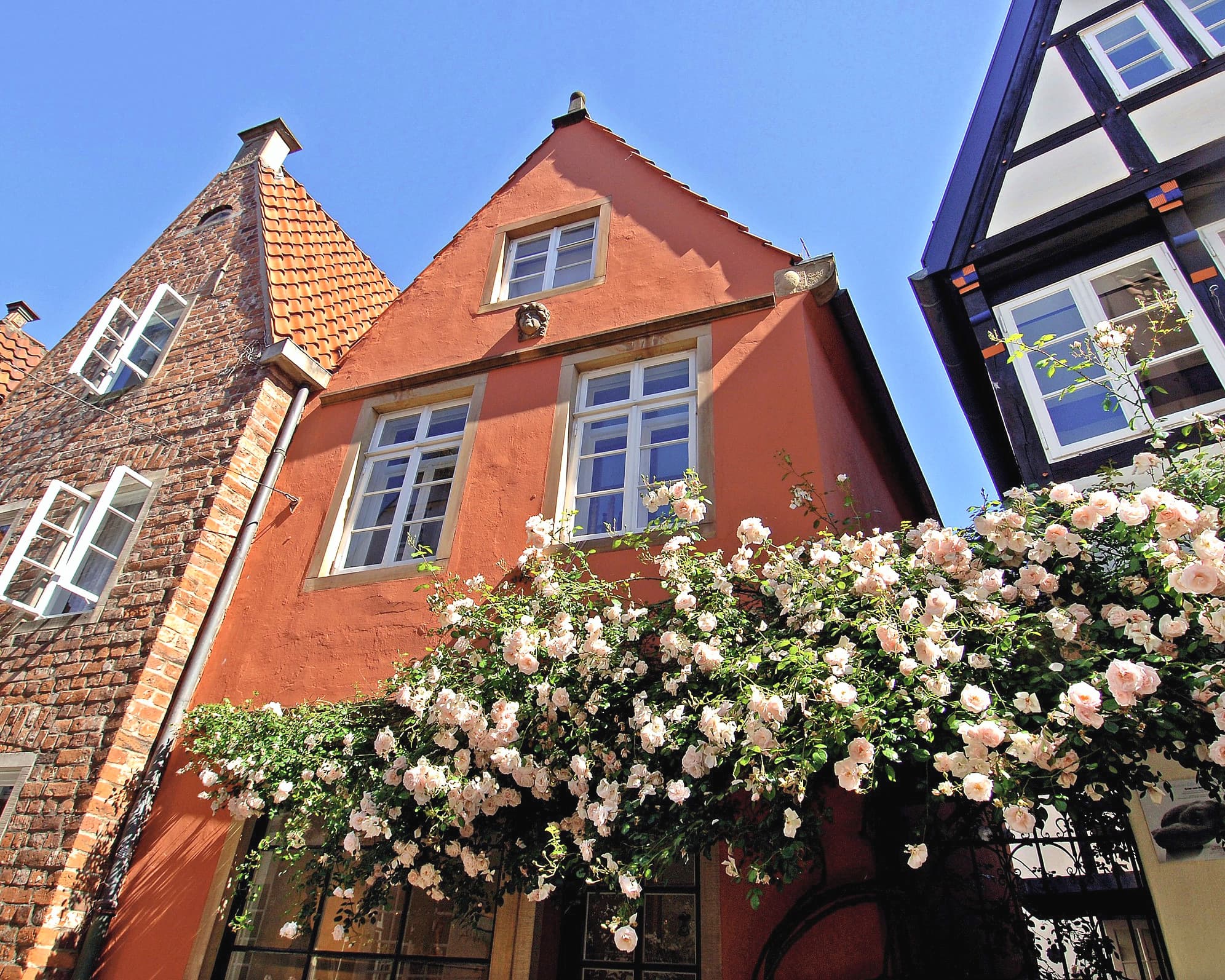
Gabled houses in the Schnoor quarter of Bremen

What to know first

  • After you move, registering your address, called the Anmeldung, is one of the first important things to do. Find out about the local rules and which appointments are available.
  • Without health insurance, you cannot enrol at university or get a residence permit.
  • Start looking for somewhere to live early, and have your documents ready for enquiries and viewings.
  • Most public offices work by appointment, and appointments are often booked up weeks in advance.

Plan your first weeks

  1. 01

    Before you fly

    If you can, arrange somewhere to stay where you are allowed to register your address, and bring your documents as originals and as certified copies.

    Book any office appointments that you can already make from abroad.

  2. 02

    Make sure people can reach you

    A working phone number, email address and postal address make a lot of things easier. Universities, banks and public authorities also send important information by post.

    Make sure your name appears on your letterbox and that you can receive calls and messages.

  3. 03

    Register your address

    Your local citizens’ office (Bürgeramt) will tell you how to register your address and which documents you need. Keep the registration certificate (Meldebescheinigung) somewhere safe, because you will need it for other appointments.

    Bring your passport, the landlord’s confirmation (Wohnungsgeberbestätigung) and the completed form.

  4. 04

    Set up your everyday banking

    Work out how you will pay your rent and regular bills. If you need a new account, compare the fees, the services and the documents the bank asks for.

    Decide beforehand whether you want a local branch or an account that only works through an app.

  5. 05

    Sort out insurance and your residence permit

    Check that your health insurance is enough for your status. Then apply for a residence permit, if your nationality means you need one.

    Keep every confirmation, because you will be asked for each one again later.

  6. 06

    From a temporary to a permanent home

    If you start somewhere temporary, allow time to look for a permanent home. A short introduction about yourself and the right documents help with every enquiry.

    Write a few sentences about yourself and put all your documents in one file.

  7. 07

    Settle into everyday life

    A chat with the neighbours, a meal together or a regular activity can help you settle in. Small chances to speak German count too.

    Think of one everyday situation in which you would like to try out your German this week.

In more depth

Find the right place to live

Think about your budget, how you will get to your course and how much of your everyday life you would like to share with others.

  • A student hall of residence can be an affordable option. Check the requirements and apply early, because waiting lists can be long.
  • In a shared flat, known as a WG, you have your own room and share spaces such as the kitchen with others.
  • A flat of your own gives you independence. For that you need a deposit, proof of income and patience while you look.
  • If you are on an intensive course at CASA, we can find you a room with a private host or in a shared flat, depending on availability.
See CASA’s accommodation

What the first month costs

In the first few weeks, one-off costs often come on top of your regular expenses. A little room in your budget makes the start easier.

  • Compare rents in the parts of town you are considering, and include your travel costs.
  • Check the deposit and payment arrangements in your tenancy agreement, and note the conditions for getting your deposit back.
  • Remember first purchases such as bedding, basic kitchen equipment and travel tickets.
  • A reserve helps with unexpected costs, or if you stay longer in temporary accommodation.

Keep important documents to hand

A folder with your important documents and digital copies makes appointments and applications easier.

  • You need health insurance to enrol and to get your residence permit.
  • Travel insurance is usually not accepted for a longer stay, even if it covers the right dates.
  • It is common in Germany to have personal liability insurance (Haftpflichtversicherung), although it is not compulsory, and many landlords ask about it.
  • Keep one folder for your registration certificate, insurance confirmation, tenancy agreement and certificate of enrolment.

Working while you study

A part-time job can fit alongside your studies. Check beforehand which rules apply to your nationality and residence status.

  • How much you are allowed to work depends on your residence permit and your nationality. The conditions are written on the permit itself.
  • Your university’s International Office can help you find your way. The immigration office (Ausländerbehörde) can confirm the conditions of your residence permit.
  • With German, you have more options when dealing with colleagues and customers.
  • When you choose your working hours, leave time for classes, independent study and rest.

Questions people ask

Official sources

Requirements change from time to time. Please check the official source for your country before you take any steps.